What LASIK Co-Management With Your Optometrist Actually Involves
Halton Eye Care • November 10, 2026
Patients who come to Halton Eye Care asking about LASIK are often surprised to learn that their own optometrist stays involved throughout the entire process, not just before the referral is made. LASIK co-management is a structured partnership between an optometrist and a surgical center, and understanding what falls under each provider's role helps set realistic expectations before booking a consultation.
This article breaks down what LASIK co-management actually involves at each stage, from the pre-surgical candidacy exam through post-operative follow-up care, along with the questions worth asking before committing to a surgical date.
In This Article:
- What happens during the pre-surgical candidacy exam
- How the roles of optometrist and surgeon differ during co-management
- What post-operative follow-up care looks like
- Questions to ask before booking LASIK
The Pre-Surgical Candidacy Exam
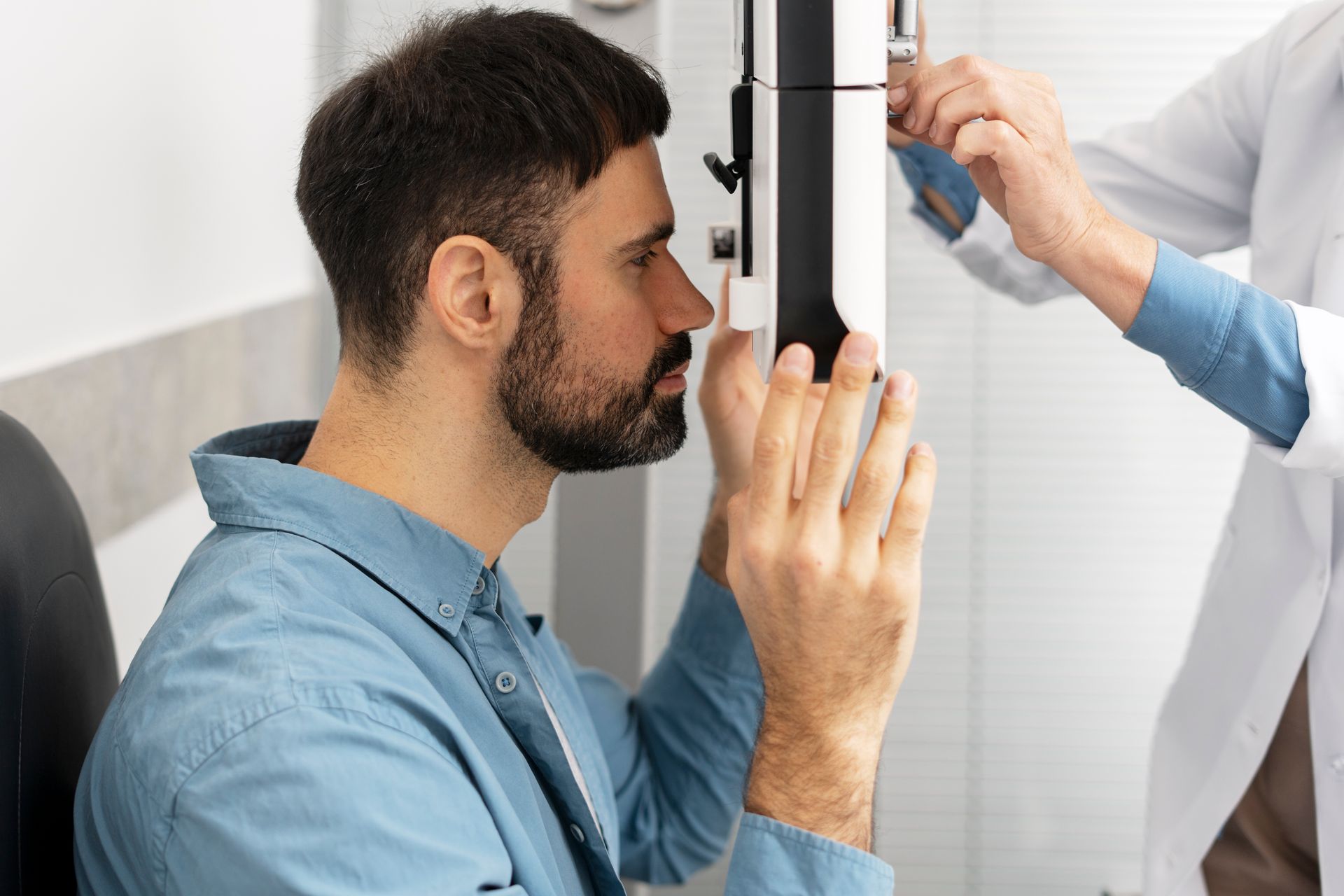
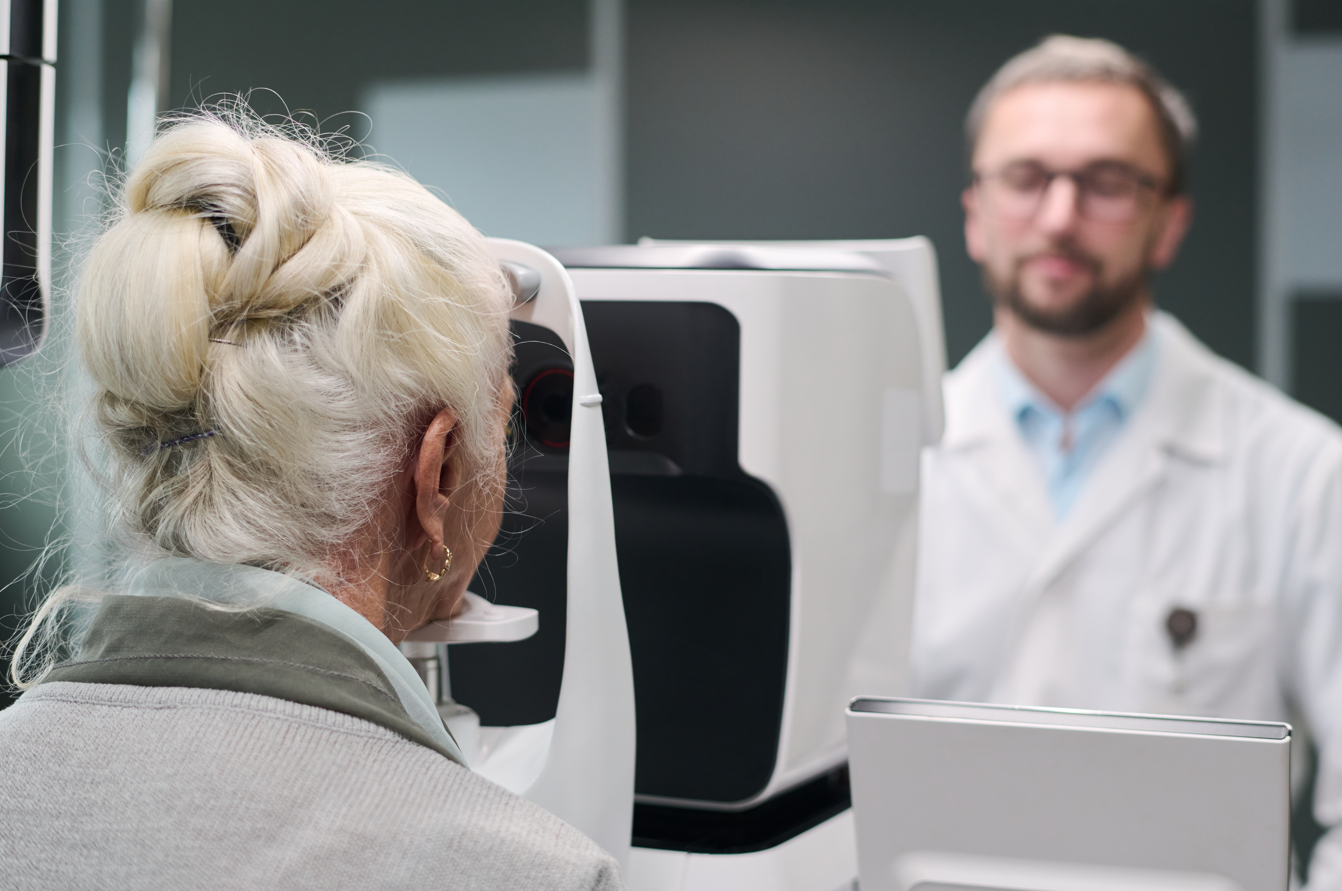
Before anyone is referred for LASIK, a full candidacy exam determines whether the procedure is appropriate for that particular eye. This includes corneal topography to map the surface curvature, measurements of corneal thickness, pupil size assessment, and a review of tear film quality, since dry eye can significantly affect both the surgery and the recovery. Prescription stability also matters. A prescription that has changed within the past year is generally a reason to wait, since LASIK is intended to correct a stable refractive error, not one still in flux.
What does LASIK co-management with an optometrist involve at this stage specifically? It means the optometrist, not the surgical center, is usually the one running these baseline tests and determining whether a referral makes sense in the first place, based on a relationship that already understands the patient's ocular history.
Where the Optometrist's Role Differs From the Surgeon's
The surgeon performs the procedure itself and manages the immediate surgical period, typically the first day or two after surgery. From that point forward, the optometrist usually takes over the majority of the follow-up schedule, since it is more practical for most patients to return to a local clinic than to travel back to the surgical center for every check-in.
→ From a professional standpoint: co-management works best when both providers share records directly rather than relying on the patient to relay details, which is why choosing a surgical center that actively communicates with local optometrists is worth asking about upfront.
What Post-Operative Follow-Up Care Looks Like
Follow-up appointments after LASIK typically happen at set intervals, often within the first week, again around the one-month mark, and then at three to six months depending on healing. These visits check corneal healing, monitor for dry eye symptoms, which are common in the weeks after surgery, and confirm that the visual outcome matches what was expected. Any complications, from mild irritation to more significant issues like halos or fluctuating vision, are addressed during these visits rather than requiring a separate trip back to the surgeon in most cases.
Questions to Ask Before Booking
A few questions are worth asking before committing to a surgical date. Who will handle the follow-up visits, and how many are included in the surgical fee. What happens if a touch-up procedure is needed later, and is that covered. How will results and records be shared between the surgeon and the optometrist managing aftercare. Getting clear answers before surgery avoids confusion during recovery, when patients are least equipped to sort through logistics.
Making an Informed Decision About LASIK
Choosing LASIK is as much about understanding the care structure around the surgery as it is about the procedure itself. Patients across Oakville, Burlington, and Milton who work with an optometrist familiar with co-management tend to move through the process with fewer surprises at each stage. Schedule a LASIK candidacy consultation with Halton Eye Care to find out whether you are a good fit and what the co-management process would look like for you.
Share This Blog