Autumn Yard Work Hazards: When to Book an Eye Emergency Consultation
Halton Eye Care • October 28, 2026
Clearing brush, pruning trees, and preparing your property for the colder months are satisfying autumn rituals. At Halton Eye Care, we also know that this surge in outdoor physical labor leads to a significant spike in seasonal eye injuries.
Knowing exactly how to respond when an accident happens can mean the difference between a quick recovery and permanent ocular damage. Bypassing the crowded hospital emergency room and consulting an optometrist ensures you receive rapid, specialized care for your eye emergencies.
In This Article:
- Stage 1: Assess the Situation Immediately
- Stage 2: Schedule an Emergency Consultation
- Stage 3: Protect the Eye During Recovery
- Frequently Asked Questions
Stage 1: Assess the Situation Immediately
When a foreign object strikes the eye or a chemical splashes onto your face, the first few seconds dictate the severity of the injury. Quickly and calmly assessing the situation helps you determine the correct first aid response before professional help is reached.
• Flush Chemical Splashes: If fertilizer or motor oil gets into the eye, immediately flush it with lukewarm tap water continuously for fifteen minutes.
• Do Not Rub: If you feel a scratchy sensation from falling debris, avoid rubbing the eyelid, as this will grind the particle deeper into the cornea.
• Evaluate Vision Changes: Cover the uninjured eye and check if your vision in the affected eye is suddenly blurry, darkened, or experiencing flashing lights.
Stage 2: Schedule an Emergency Consultation
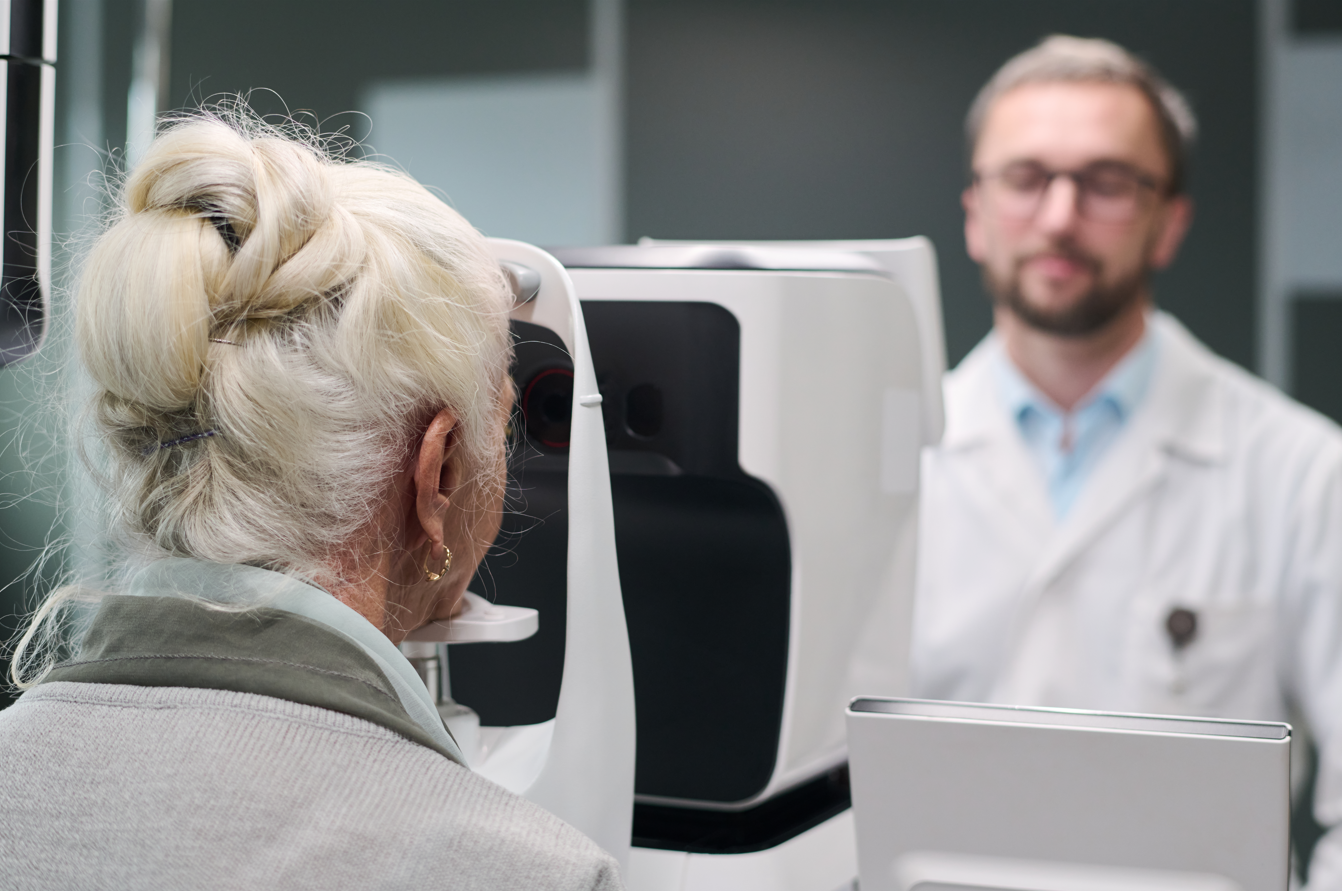
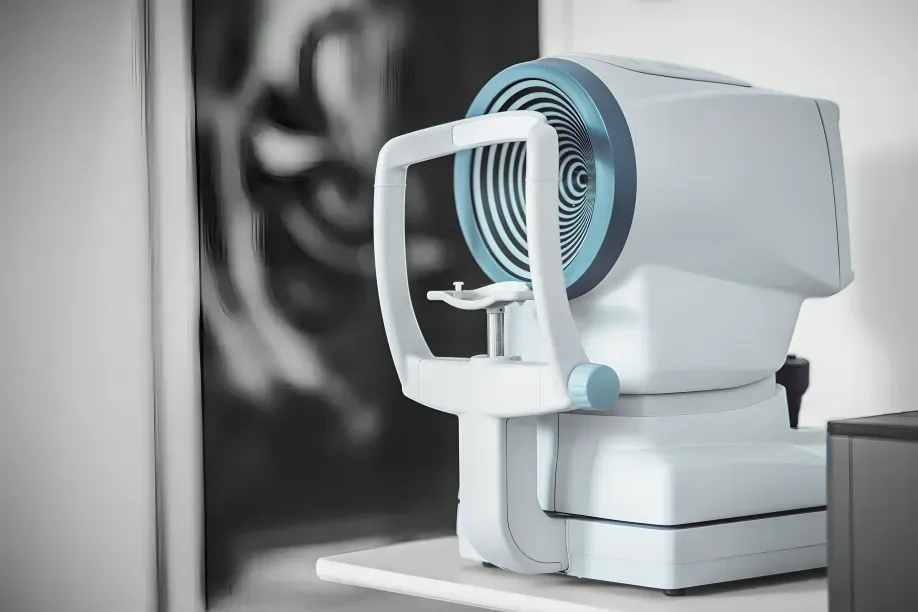
Once initial first aid is applied, seeking specialized medical attention is critical. Many residents in Oakville, ON default to visiting a hospital emergency room, but an optometrist is equipped with the specific microscopes needed to locate microscopic debris and assess deep tissue trauma.
• Call Ahead Promptly: Contact our clinic immediately and state that you are experiencing an eye emergency so we can triage you into the schedule.
• Bring the Culprit: If a specific chemical splashed into your eye, bring the bottle or a photo of the label so the doctor knows the exact pH level.
• Avoid Driving Yourself: Arrange for a friend or family member to drive you to the clinic, as your vision may be compromised and we will likely need to dilate your pupils.
Stage 3: Protect the Eye During Recovery
Following your emergency consultation, the healing phase begins. Corneal abrasions and trauma require strict adherence to your doctor's recovery protocol to prevent secondary infections and permanent scarring.
► Failing to complete a prescribed course of antibiotic eye drops drastically increases the risk of a severe corneal ulcer forming.
• Adhere to Medications: Use all prescribed antibiotic and anti-inflammatory drops exactly as directed, even if the eye feels completely better after two days.
• Wear Protective Shields: If provided, wear a protective eye shield while sleeping to prevent accidental rubbing during the night.
• Upgrade Your Safety Gear: Before returning to your yard work, invest in wraparound polycarbonate safety glasses to prevent future accidents.
Frequently Asked Questions
What Qualifies As A True Eye Emergency?
A true eye emergency includes any sudden onset of flashes and floaters, sudden vision loss, chemical splashes, blunt force trauma, or a foreign object embedded in the eye. Severe pain, intense redness accompanied by light sensitivity, or a visible cut on the eye surface also requires immediate medical intervention.
Can An Optometrist Remove A Foreign Object From The Eye?
Yes, an optometrist is fully licensed and medically equipped to remove foreign objects from the eye. We use specialized microscopes and sterile instruments to safely extract metal shards, wood splinters, and organic debris from the cornea without causing further tissue damage.
What Should I Do If I Get Chemicals In My Eye?
If you get chemicals in your eye, your immediate priority is dilution. Flush the eye with a steady stream of clean, lukewarm water for at least fifteen minutes, holding the eyelids open. Do not attempt to neutralize the chemical with another substance. Once flushed, proceed directly to an eye care professional for an urgent evaluation.
Handling Injuries With Professional Expertise
Accidents happen, but knowing where to turn for fast, specialized care protects your vision when it matters most. Preparing your property for winter should not cost you your ocular health. If you experience an injury, call our clinic immediately for expert emergency intervention and rapid relief!
Share This Blog