Is LASIK Right for You? Why Corneal Topography Holds the Real Answer
Halton Eye Care • August 19, 2026
The promise of waking up to clear vision without the aid of glasses or contact lenses is incredibly appealing. At Halton Eye Care, we know that pursuing laser eye surgery is a major decision that requires careful planning and realistic expectations.
Before committing to any surgical procedure, a thorough evaluation of your ocular surface is essential. Understanding the true shape of your eye is the only way to ensure optimal results and maintain long-term visual health.
In This Article:
- Understanding the Mapping Process
- Red Flags in Laser Eye Surgery Consultations
- Who Is Not A Good Candidate For LASIK?
- Essential Questions to Ask Your Surgeon
Understanding the Mapping Process
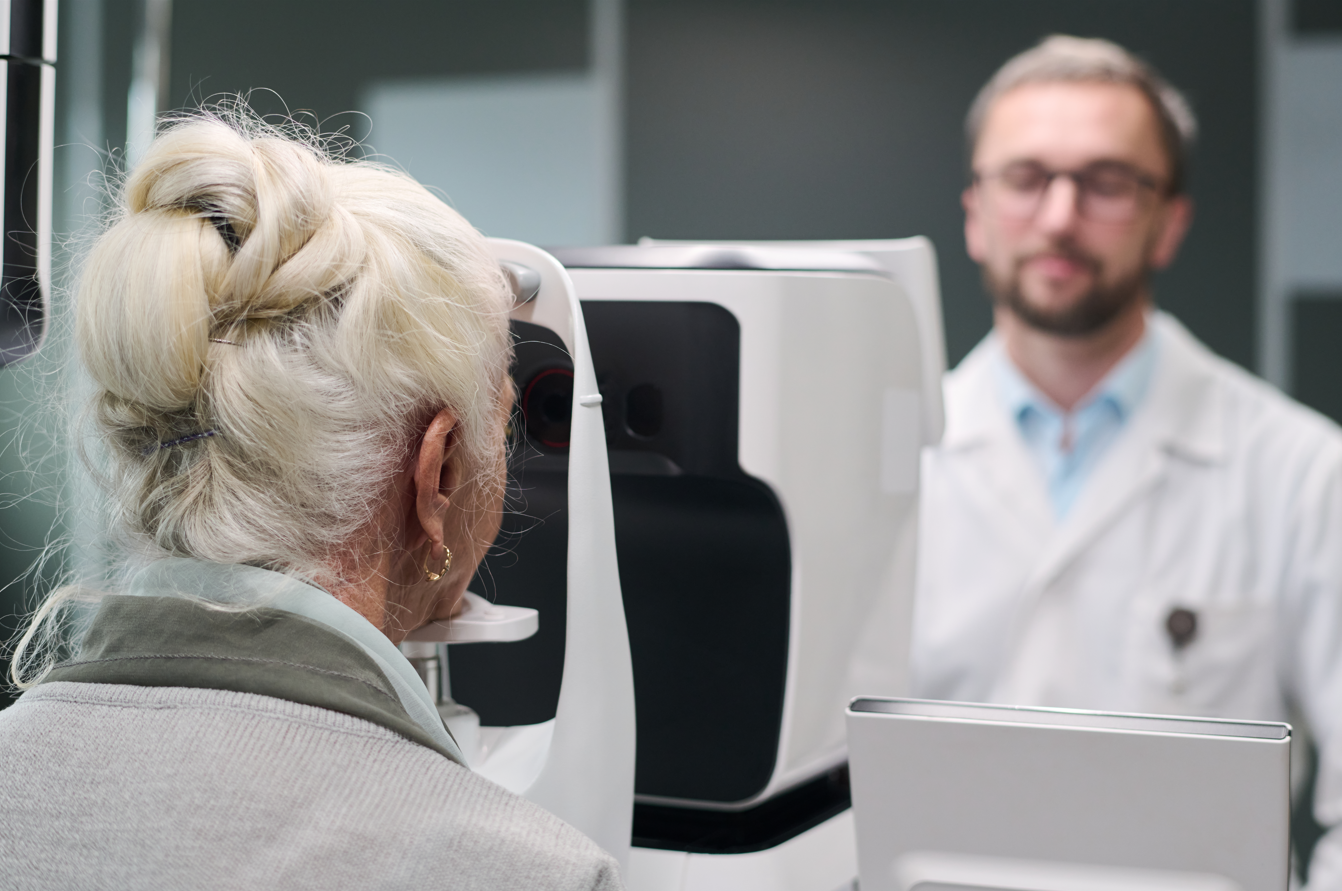
Your cornea is not a perfect sphere. It features microscopic peaks and valleys that determine how light enters your eye. Corneal topography is an advanced imaging technique that creates a highly detailed, three-dimensional map of this clear front surface.
• Topography identifies microscopic irregularities that standard vision tests miss.
• The mapping process is completely painless and takes only a few seconds.
• The resulting data determines exactly how much tissue a laser can safely reshape.
Red Flags in Laser Eye Surgery Consultations
The refractive surgery industry can sometimes feel heavily sales-driven. It is vital to recognize when a provider is prioritizing volume over patient safety. A consultation should feel like a medical evaluation, not a high-pressure timeshare presentation.
• Be wary of clinics that guarantee perfect vision without thoroughly reviewing your topography data.
• If a provider rushes through the evaluation or dismisses your concerns about side effects, seek a second opinion.
• Avoid centers that push you to sign financial agreements before a doctor has confirmed you are a safe clinical candidate.
Who Is Not A Good Candidate For LASIK?
Patients with inherently thin corneas, unstable prescriptions, or irregular topography patterns like keratoconus are not safe candidates for LASIK. Additionally, individuals suffering from unmanaged dry eye disease or autoimmune conditions often experience poor healing and exacerbated symptoms following the procedure.
Essential Questions to Ask Your Surgeon
Being an informed patient ensures you receive the highest standard of care. Your surgeon should welcome your questions and provide transparent, evidence-based answers regarding your specific case. We guide our patients through this exact preparation phase, providing advice for individuals consulting with us.
• Ask how many procedures the surgeon has performed on eyes with prescriptions similar to yours.
• Inquire about their enhancement rate, which indicates how often patients need a touch-up surgery.
• Request clear details on the post-operative care protocol and who will be managing your recovery.
Preparing for Your Refractive Journey
Thorough preparation eliminates the guesswork from laser eye surgery and protects your long-term ocular health. Knowing the exact topography of your eye allows you to proceed with confidence. Contact our clinic to arrange a pre-surgical evaluation and explore your options for safe vision correction.
Share This Blog