Halting Childhood Vision Changes: The Science of Myopia Control Lenses
Halton Eye Care • August 5, 2026
Parents often notice their child squinting at the board or sitting too close to the television, signaling a potential need for vision correction. At Halton Eye Care, we understand that simply updating a prescription year after year does not solve the underlying issue of rapid eye growth.
The introduction of myopia control lenses offers a medical intervention designed to slow down this progression. By addressing the root cause early, parents can help protect their child's long-term eye health.
In This Article:
- The Mechanics Behind Rapid Eye Growth
- Why Waiting and Watching Fails
- Can Glasses Stop Eyes From Getting Worse?
- The Science of Myopia Control Lenses
The Mechanics Behind Rapid Eye Growth
Myopia, commonly known as nearsightedness, occurs when the eyeball grows too long from front to back. This physical elongation causes light entering the eye to focus in front of the retina rather than directly on it, resulting in blurred distance vision. For children, this structural change often accelerates during crucial growth spurts.
When a child relies on standard single vision lenses, the center of their vision is clear, but peripheral light raflects focus behind the retina. This peripheral defocus actually triggers the brain to signal further elongation of the eye. Understanding this optical feedback loop is the first step in recognizing why standard glasses only treat the symptom, not the structural progression.
We frequently discuss these exact mechanics with families, whether they are local to our clinic or patients who have recently relocated.
→ A quick tip to remember: Axial length measurements are the most accurate way to track your child's true eye growth over time.
Why Waiting and Watching Fails
Many parents adopt a wait-and-see approach, assuming their child will eventually outgrow the condition. Unfortunately, choosing not to intervene during the early stages of myopia often leads to much higher prescriptions by the time the child reaches high school. High myopia significantly increases the risk of severe ocular conditions later in life, such as retinal detachment and macular degeneration.
Attempting to manage the condition through DIY methods, such as arbitrarily limiting screen time without professional guidance or under-correcting the prescription, can actually cause more harm. Under correction strains the visual system and has been clinically shown to speed up the rate of eyeball elongation. A passive approach strips parents of the opportunity to intervene while the eye is still developing and responsive to modern treatments.
→ From a professional standpoint: Delaying treatment during peak growth years allows structural changes that cannot be reversed later in life.
Can Glasses Stop Eyes From Getting Worse?
Standard single-vision glasses cannot stop eyes from getting worse. However, specialized myopia control lenses are specifically engineered to slow the progression of nearsightedness. These medical devices do not completely halt all future changes, but they drastically reduce the rate of prescription worsening compared to standard options.
The Science of Myopia Control Lenses
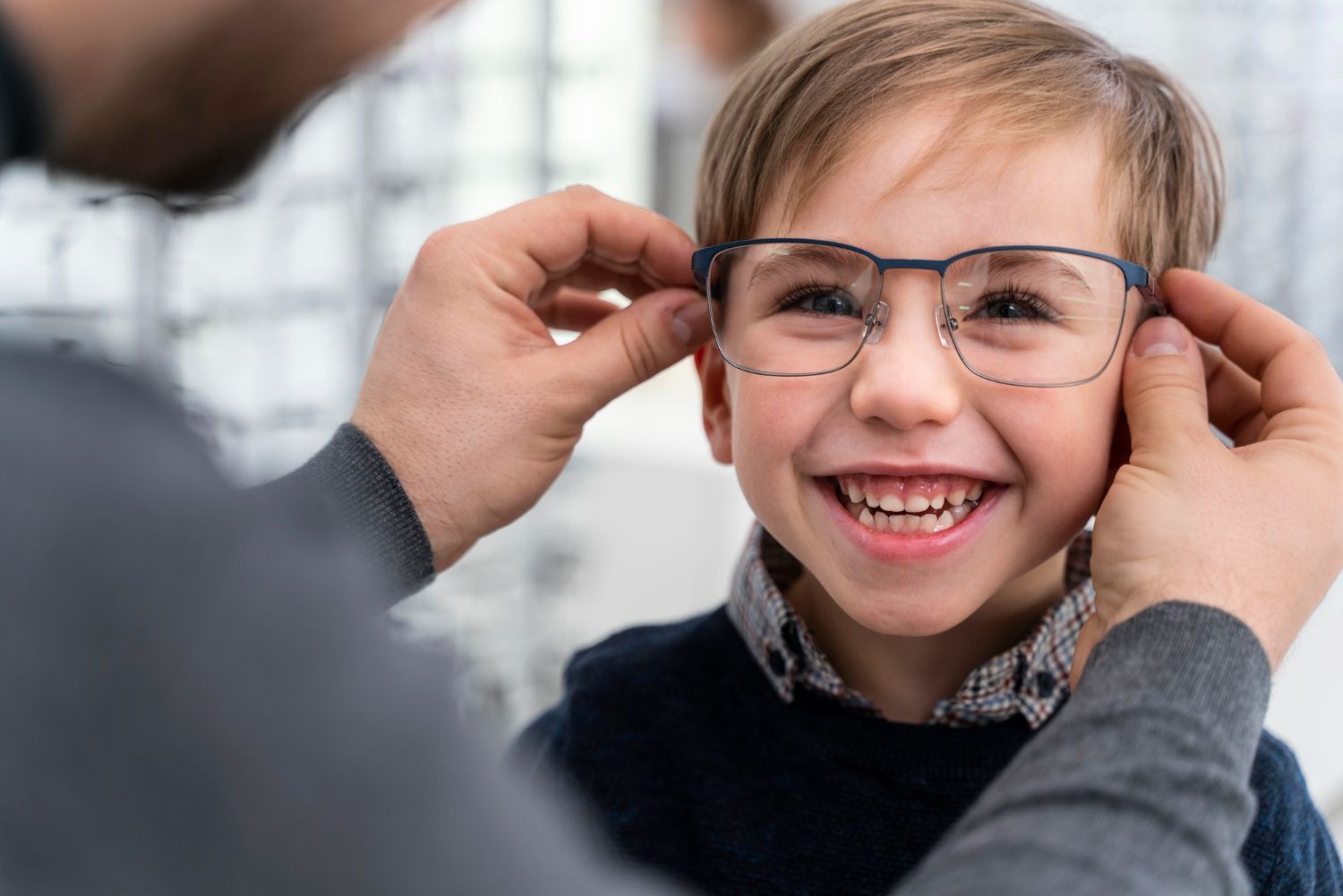
Modern optical solutions like Miyosmart and Stellest lenses look exactly like regular glasses, but they feature advanced micro lens technology. The center of the lens provides clear distance vision, while hundreds of microscopic lenses create a signal of peripheral defocus in front of the retina. This specific optical environment signals the eye to slow its axial elongation.
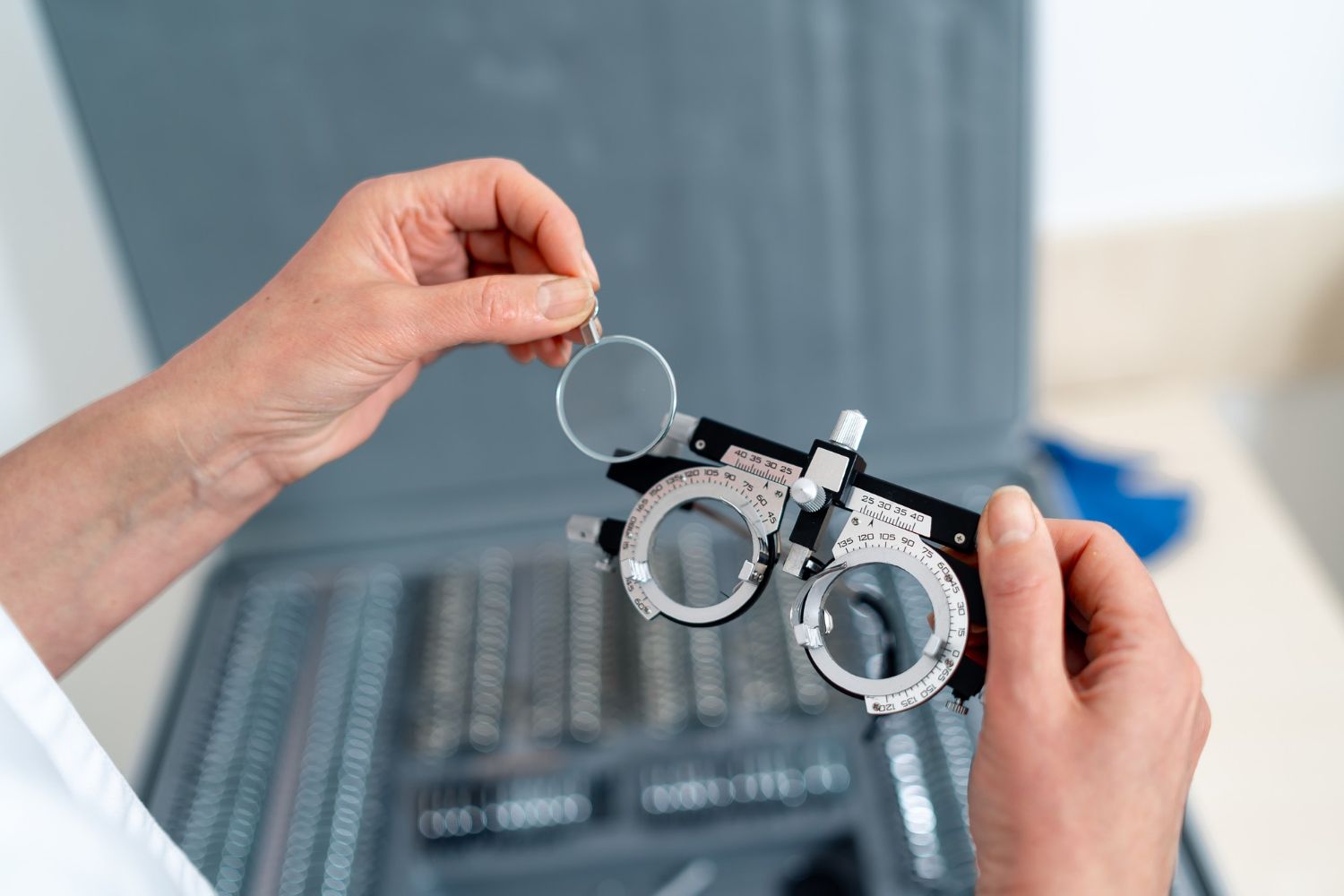
Implementing these lenses early requires precision fitting and regular monitoring. Our opticians take detailed measurements to ensure the treatment zone aligns perfectly with the child's visual axis. When combined with routine digital retinal imaging to monitor internal eye health, these specialized lenses become a powerful tool in pediatric vision management.
→ From a professional standpoint: Consistency is critical, as the lenses must be worn all waking hours to effectively signal the brain and manage eye growth.
Taking Action for Your Child's Vision
Understanding the mechanism behind childhood myopia allows you to make informed decisions about your family's optical care. By moving beyond temporary fixes and addressing the physical growth of the eye, you set the foundation for a lifetime of healthier vision. Schedule an assessment to map your child's eye growth and determine the right optical intervention for their specific needs.
Share This Blog