Monitoring Glaucoma Progression: Navigating Your Visual Field Assessments
Halton Eye Care • October 20, 2026
Managing a chronic condition like glaucoma requires highly precise and consistent medical data to protect your vision. At Halton Eye Care, we know that many patients feel anxious when it comes time for their routine diagnostic testing.
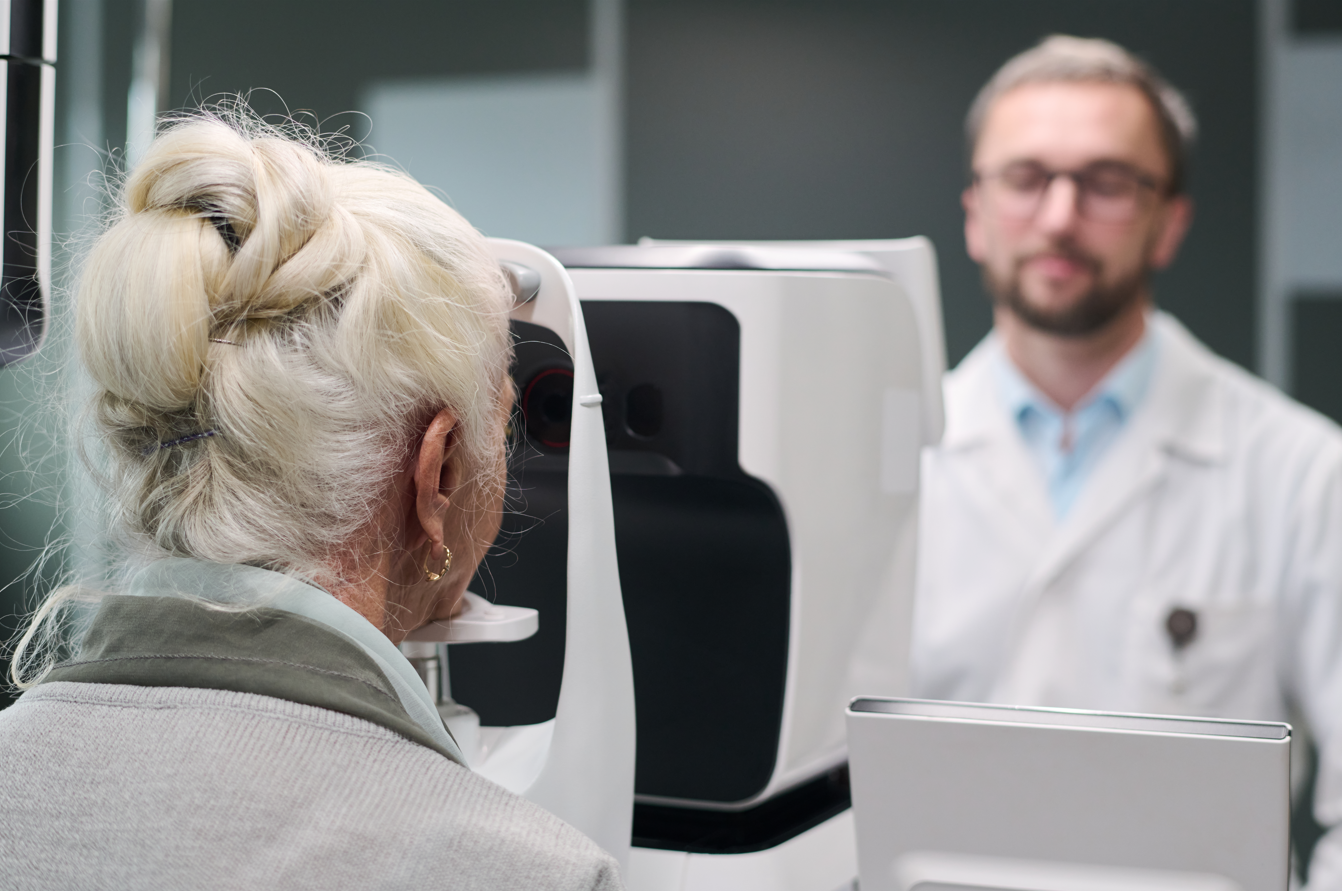
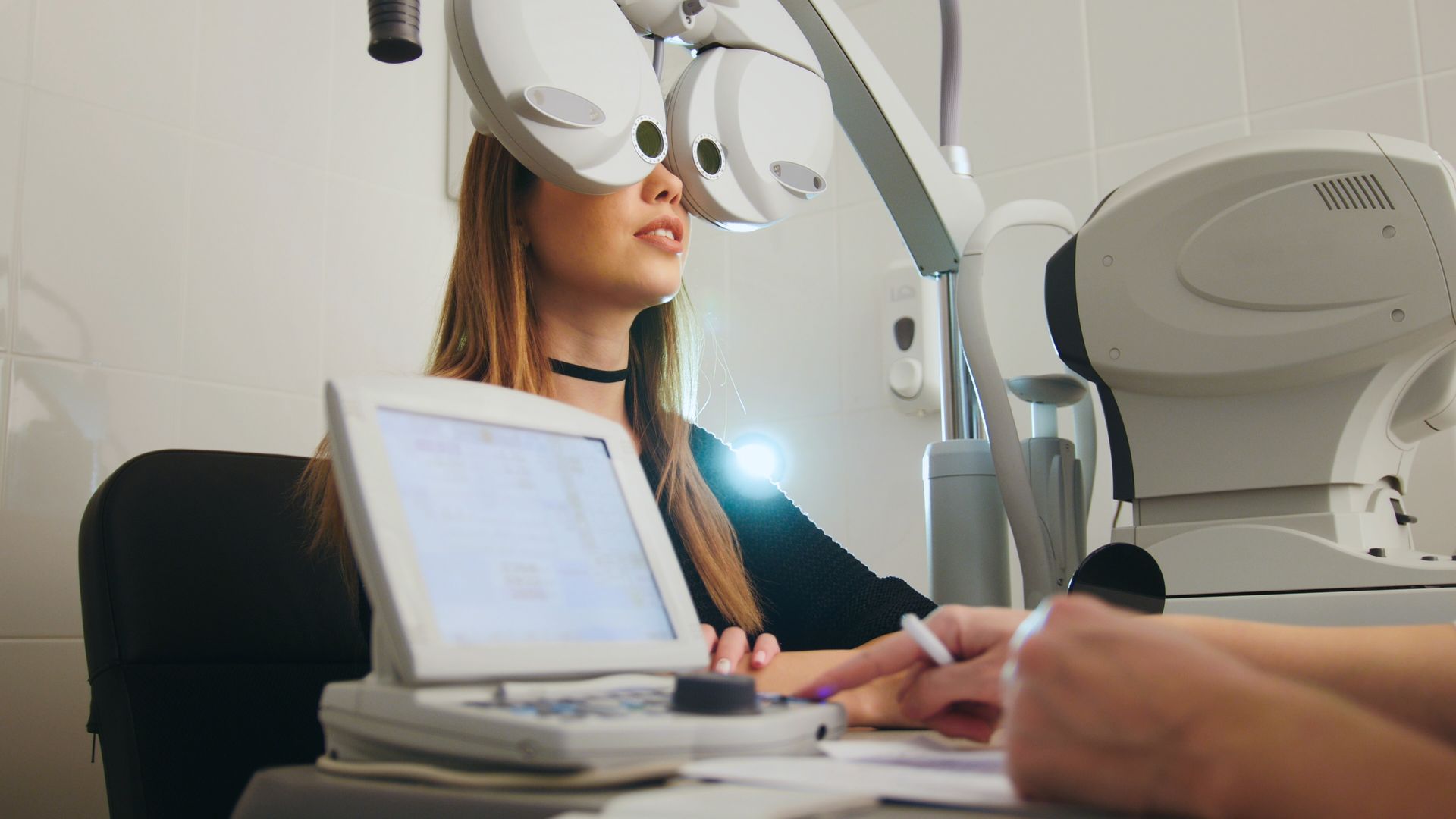
A visual field assessment is an essential tool that maps your peripheral vision, allowing us to detect the smallest neural changes over time. Understanding how to properly prepare for and execute this test ensures we capture the accurate data needed to keep your eyes healthy.
In This Article:
- Immediate Steps Before and After Your Test
- Ongoing Habits Between Appointments
- Mistakes That Skew Your Diagnostic Data
- How Often Should Visual Field Tests Be Done For Glaucoma?
Immediate Steps Before and After Your Test
The accuracy of your visual field assessment relies heavily on your focus and comfort during the exam. Taking a few simple steps right before you sit down at the machine can dramatically improve the reliability of the results.
• Rest Your Eyes: Avoid excessive reading or scrolling on your phone in the waiting room to prevent eye fatigue before the test begins.
• Breathe Normally: Patients often hold their breath in concentration, but steady breathing helps maintain focus and reduces the urge to blink excessively.
• Ask for Pauses: The machine allows the technician to pause the test at any time, so do not hesitate to ask for a quick break if you feel your attention slipping.
Ongoing Habits Between Appointments
Glaucoma is a slow moving disease, meaning the time between your visual field assessments is critical. We work closely with our patients in Oakville, ON to establish reliable home routines that support their medical treatments. Consistent habits keep your intraocular pressure stable and your optic nerve protected.
• Medication Adherence: Apply your prescribed glaucoma eye drops at the exact same time every day to maintain a steady pressure level inside the eye.
• Routine Refills: Never wait until your medication is completely empty to request a refill, as skipping even one dose can cause dangerous pressure spikes.
• Monitor Systemic Health: Keep your blood pressure and cardiovascular health in check, as proper blood flow is vital for optic nerve survival.
Mistakes That Skew Your Diagnostic Data
A visual field assessment maps how well your brain receives signals from your retina. If you try to game the test, the resulting data becomes clinically useless and can lead to incorrect treatment adjustments.
► Looking around to search for the lights instead of staring straight at the central target completely invalidates the visual field results.
• Trigger Happy Clicking: Do not press the button to the rhythm of the machine; only click when you genuinely perceive a flash of light.
• Ignoring Discomfort: If the chair is too low or your neck is strained, tell the technician immediately, as physical discomfort heavily distracts from your peripheral awareness.
• Skipping Current Glasses: If you require a reading prescription, ensure the technician knows, as the test requires a specific trial lens to match your near vision focus.
How Often Should Visual Field Tests Be Done For Glaucoma?
Visual field tests should be done one to two times per year for patients with stable, well managed glaucoma. If you have been recently diagnosed, or if your doctor suspects rapid progression, you may need to complete the assessment every three to four months. The frequency is entirely dependent on establishing a reliable baseline and closely monitoring the rate of peripheral vision changes.
Securing Your Visual Future
Consistent and accurate testing is the cornerstone of effective glaucoma management. Knowing how to perform the test correctly empowers you to take an active role in preserving your sight. Contact our clinic to schedule your next visual field assessment and stay ahead of your ocular health.
Share This Blog