4 Steps to Break the Cycle of Recurring Blepharitis and Eyelid Inflammation
Halton Eye Care • September 22, 2026
Waking up with crusty, red, and swollen eyelids is a miserable way to start the day. At Halton Eye Care, we know that chronic eyelid inflammation, known as blepharitis, is incredibly stubborn and often mistaken for a standard eye infection.
Simply wiping away the morning debris does not resolve the bacterial overgrowth causing the irritation. Mastering a specific, daily hygiene protocol is required to effectively manage blepharitis, stabilize your tear film, and keep your eyelids comfortable all day.
In This Article:
- Tip #1: Ditching the Baby Shampoo Myth
- Tip #2: Applying the Right Type of Heat
- Tip #3: Implementing Antimicrobial Lid Cleansers
- Tip #4: Managing Your Tear Film Environment
- Frequently Asked Questions
Tip #1: Ditching the Baby Shampoo Myth
For decades, patients were told to scrub their eyelids with diluted baby shampoo to clear away crusts. We now know clinically that this outdated advice actually strips the eye of essential oils and destabilizes the tear film further.
• Stop using soap-based products near your eyes, as they contain harsh surfactants that increase irritation.
• Switch to products specifically formulated for the delicate ocular surface.
• Recognize that blepharitis requires targeting bacteria and Demodex mites, which basic shampoo cannot eradicate.
Tip #2: Applying the Right Type of Heat
Blepharitis often goes hand in hand with blocked oil glands. Applying heat is necessary to soften the hardened debris at the base of the eyelashes, but the method of heat delivery is crucial for success. Many patients in Oakville, ON, rely on a warm washcloth, which loses its heat far too quickly.
• Use a microwaveable eye mask designed to hold a steady temperature for eight to ten minutes.
• Apply the heat therapy twice a day during an active flare-up to keep the eyelash follicles clear.
• Gently massage the eyelids immediately after removing the mask to help expel the softened oils.
Tip #3: Implementing Antimicrobial Lid Cleansers
To truly break the cycle of inflammation, you must manage the bacterial load on your eyelid margins. Over-the-counter cosmetic makeup removers do not possess the antimicrobial properties needed for managing blepharitis effectively.
• Utilize a medical-grade hypochlorous acid spray to naturally neutralize bacteria without stinging.
• Alternatively, use tea tree oil-based eyelid wipes, which are clinically proven to clear stubborn Demodex mites from the lash line.
• Wipe horizontally along the base of the lashes, taking care not to aggressively rub the eyeball itself.
Tip #4: Managing Your Tear Film Environment
Inflamed eyelids disrupt the production of a healthy tear film, often leading to severe dry eye symptoms. Supporting your eye moisture from the inside out helps the ocular surface heal faster between flare-ups.
• Supplement with a high-quality omega fatty acid to improve the chemical composition of your natural tears.
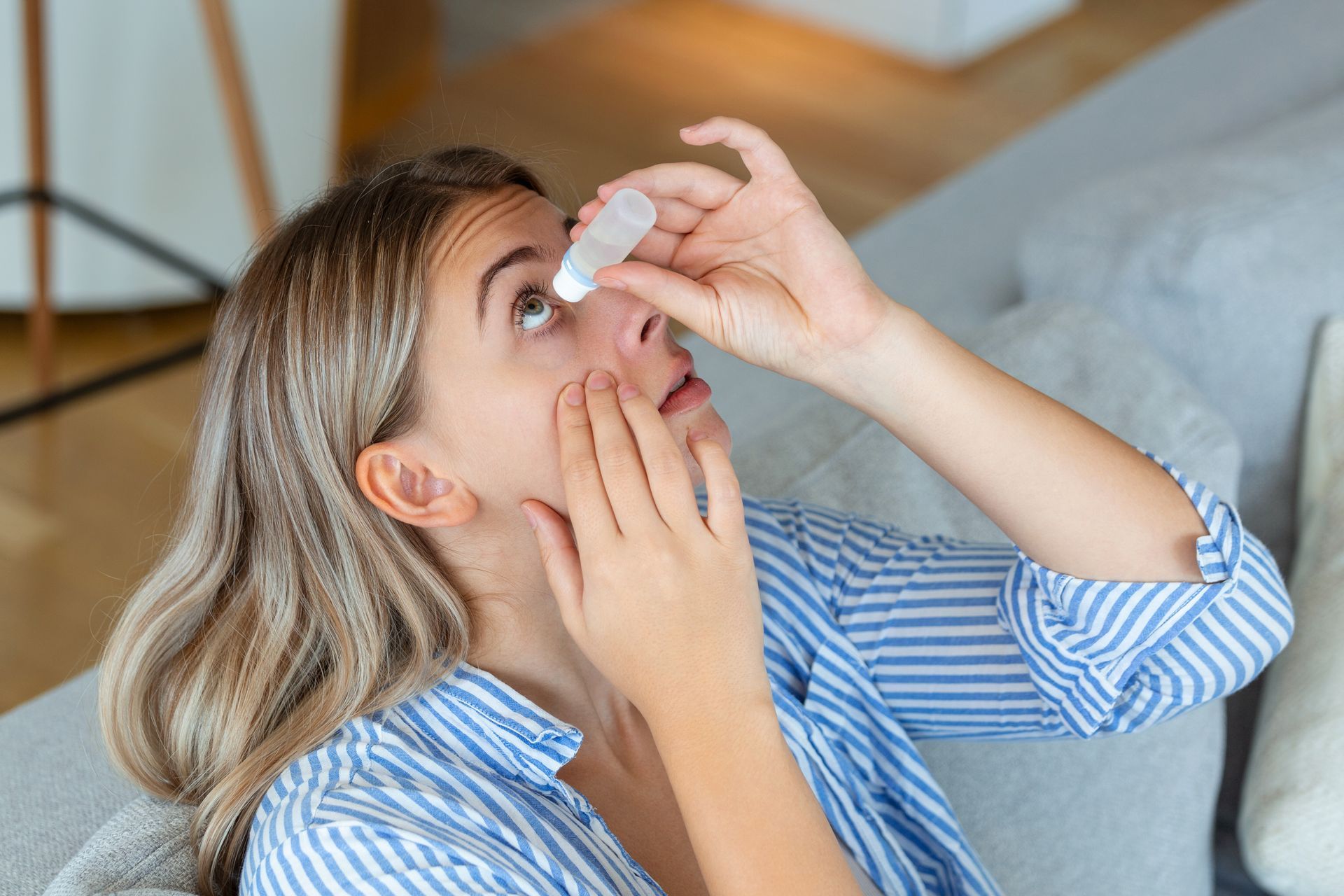
• Use preservative-free artificial tears throughout the day to flush inflammatory particles away from the eye surface.
• Run a humidifier in your bedroom to prevent the air from pulling moisture from your compromised tear film while you sleep.
Frequently Asked Questions
What Is The Fastest Way To Cure Blepharitis?
There is no permanent cure for blepharitis, as it is a chronic condition related to your skin type and natural bacteria. The fastest way to alleviate a severe flare-up is through an in-office mechanical deep cleaning by your optometrist, followed by strict adherence to your daily at-home lid hygiene routine.
Should I Use Baby Shampoo For Blepharitis?
No, you should avoid using baby shampoo for eyelid hygiene. Clinical studies show that the detergents in baby shampoo damage the fragile lipid layer of your tear film, which actually worsens dry eye symptoms and creates more irritation over time.
Can Blepharitis Cause Permanent Eye Damage?
If left entirely unmanaged, chronic blepharitis can lead to structural damage. The constant inflammation can cause your eyelashes to fall out or grow inward, which then scratches the cornea. Long-term, untreated blepharitis also leads to severe dry eye disease and potential corneal scarring.
Taking Control of Your Eyelid Health
Breaking the cycle of inflammation requires switching from temporary fixes to a structured, medical-grade routine. With the right tools and professional guidance, you can keep your eyelids clear and comfortable year round. Reach out to book a consultation so we can tailor a specific hygiene protocol to your eyes.
Share This Blog