End of Summer Eye Health: Why Digital Retinal Imaging is Crucial Now
Halton Eye Care • September 8, 2026
Months of increased summer sunlight, outdoor activities, and UV exposure can take a hidden toll on your deeper ocular tissues. At Halton Eye Care, we know that patients often focus on external discomfort like sunburned skin, forgetting that their eyes absorb significant radiation as well.
As the seasons shift, early autumn presents the ideal window to evaluate the internal health of your eyes. Booking a digital retinal imaging session establishes a clear baseline to ensure your eyes recover properly from the heavy outdoor exposure of summer.
In This Article:
- Stage 1: Assess Your Summer Sun Exposure
- Stage 2: Schedule Your Baseline Imaging
- Stage 3: Protect Your Internal Eye Health
- Frequently Asked Questions
Stage 1: Assess Your Summer Sun Exposure
The transition into fall is the perfect time to review how well you protected your eyes over the last few months. Cumulative UV exposure accelerates cellular aging in the eye, and the damage is rarely visible in the mirror. Assessing your habits helps us determine your risk profile for conditions like macular degeneration.
• Review Sunglasses Usage: Consider how consistently you wore polarized, UV-blocking sunglasses during peak sunlight hours.
• Note New Symptoms: Pay attention to any new floaters, flashes of light, or subtle changes in your night vision.
• Evaluate Outdoor Time: Tally the amount of time spent on the water or at the beach, where UV rays aggressively reflect into the eyes.
Stage 2: Schedule Your Baseline Imaging
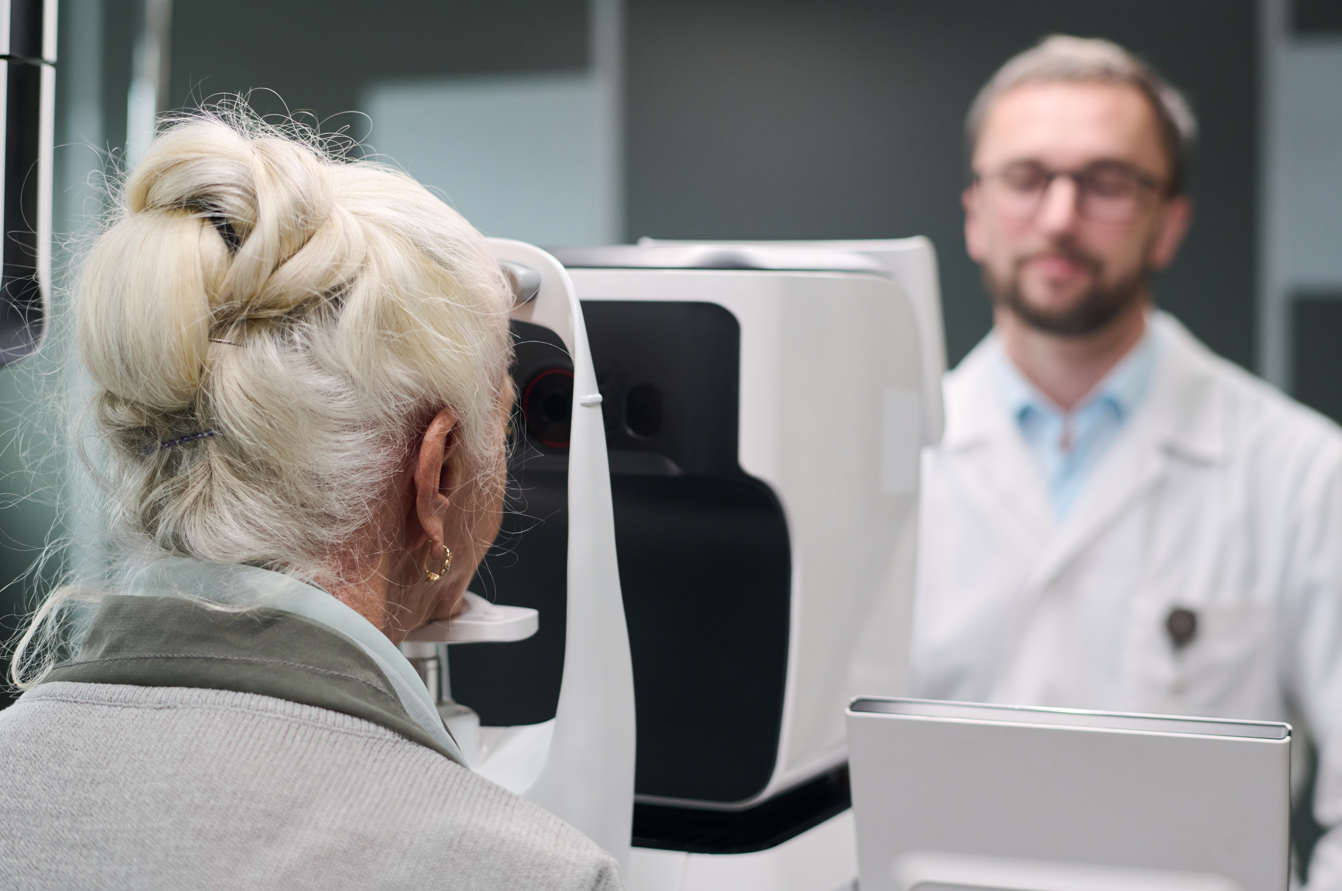
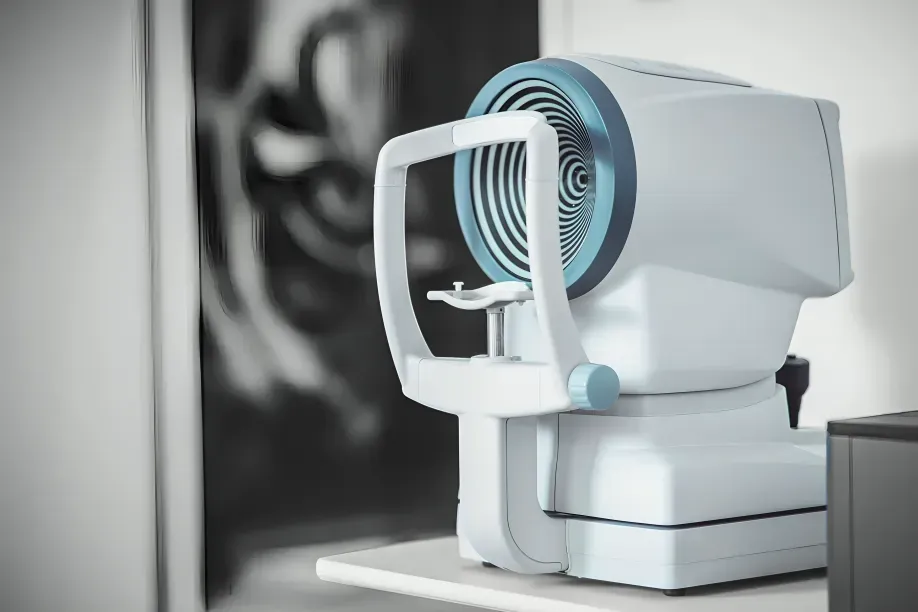
Once you assess your exposure, the next step is capturing objective data. Digital retinal imaging acts as a high-resolution photograph of the back of your eye, allowing us to examine your blood vessels, optic nerve, and macula in extreme detail. For residents across Oakville, ON, we utilize this technology to spot microscopic changes long before they impact your daily life.
• Request Retinal Photos: Specifically ask for digital retinal imaging when booking your routine appointment.
• Prepare for Drops: Be aware that we may recommend dilating your pupils to get the widest, clearest view of your peripheral retina.
• Compare Historical Data: Allow our doctors to compare your new images side by side with past records to spot gradual tissue changes.
This is a pattern the team at Halton Eye Care hears regularly when patients experience our diagnostic approach.
► Client Experience: Dr. Sooklal has been great for the past 9 months that I have been using him. Highly recommended. (Matthew Cassar)
Taking the time to review these specific images together ensures you understand exactly what is happening inside your eyes.
Stage 3: Protect Your Internal Eye Health
With a clear diagnostic picture, you can take targeted actions to protect your vision through the darker winter months. The data from your imaging session guides our clinical recommendations, from lifestyle adjustments to prescribing specific optical solutions like custom UV-blocking eyewear.
► Catching vascular changes early through retinal imaging is the single most effective way to prevent permanent vision loss from sun damage and aging.
• Wear UV Protection Year Round: Commit to wearing quality sunglasses even on cloudy autumn days to block ambient UV rays.
• Update Your Diet: Incorporate leafy greens and omega fatty acids to support cellular repair in the macula.
• Follow Monitoring Schedules: Stick to the specific follow-up timeline recommended by your optometrist based on your imaging results.
Frequently Asked Questions
Does UV Light Damage The Retina?
Yes, prolonged unprotected exposure to UV light can damage the retina. While the cornea and lens absorb most of the harmful rays, certain wavelengths penetrate deeper, increasing the risk of macular degeneration. Consistent UV protection is a medical necessity, not just a comfort measure.
What Conditions Can Digital Retinal Imaging Detect?
Digital retinal imaging is highly effective at detecting diabetic retinopathy, macular degeneration, glaucoma, and hypertensive retinopathy. It captures the intricate network of blood vessels, making it possible to spot early signs of systemic diseases like high blood pressure and diabetes before you feel any symptoms.
How Often Should You Have Your Retinas Photographed?
For most healthy adults, capturing baseline retinal images every one to two years is recommended. However, if you have a history of heavy sun exposure, diabetes, or a family history of eye disease, we may advise annual imaging to closely monitor for rapid microscopic changes.
Taking Action Before Winter Sets In
Do not let the summer sun leave lasting, undocumented effects on your vision. Gathering objective data now gives you the clarity and confidence to protect your sight moving forward. Contact our clinic today to secure your preferred time for a thorough retinal evaluation!
Share This Blog